
As you celebrate and make plans for fresh starts in 2026, there’s one area of your life that might be ready for a change: your birth control. Whether it’s annoying side effects, daily hassles, or perhaps this year you want to have a baby—the new year is the perfect time to explore your contraception options.
Changing birth control methods doesn’t have to be complicated or scary. In fact, many women switch methods several times throughout their lives as their needs, bodies, and lifestyles evolve. Let’s talk about when it might be time for a change, what to consider, and how to make the switch with confidence.
Signs It Might Be Time to Switch Birth Control Methods
Not sure if you should change your birth control? Here are some signs that it might be time to reconsider your current method:
Side effects that won’t quit. If you’ve been dealing with headaches, weight changes, mood swings, or decreased sex drive for months, your birth control might be the culprit. According to research from the American College of Obstetricians and Gynecologists, hormonal side effects are one of the most common reasons women stop or switch their birth control method.
Your lifestyle has changed. Maybe you started a new job with different insurance, you’re traveling more, or you’re just tired of the daily pill routine. When your life shifts, your birth control needs might shift too.
You’re planning for the future. Thinking about getting pregnant in the next year or two? Some women prefer methods that allow their bodies to return to normal cycles quickly when they stop using them. Or to be off hormones for a few months before trying to get pregnant.
You want more control. If you feel like your birth control is controlling you instead of the other way around, it might be time to explore options that put you in charge of when and how you use them.
Health concerns have come up. New diagnoses, medications, or health changes can make your current birth control less ideal. Always talk with your healthcare provider about how health changes affect your contraception choices.
What to Consider When Changing Birth Control Methods
Before you make the switch, think about what matters most to you. Here’s a simple framework to help guide your decision:
Effectiveness
All birth control methods have different effectiveness rates. The key is finding one that fits your life well enough that you’ll use it correctly and consistently. A method that’s 99% effective but that you forget to use isn’t as helpful as one that’s 92% effective that you actually use every time.
Hormones (or not)
Some women thrive on hormonal birth control, while others feel better without added hormones in their system. Research published in JAMA Psychiatry has found connections between hormonal contraception and mood changes in some women. If you’re experiencing unwanted side effects, a hormone-free option might be worth exploring.
Convenience
Be honest about your lifestyle. Are you great at taking daily pills, or do you need something more hands-off? Do you want something you can start and stop easily, or would you prefer to set it and forget it?
Cost
Consider both upfront costs and long-term expenses. A method that seems expensive initially might actually save you money over time if it’s reusable or lasts several years.
Your body, your choice
At the end of the day, you know your body best. If something doesn’t feel right, trust that instinct. You deserve a birth control method that works with your body, not against it.
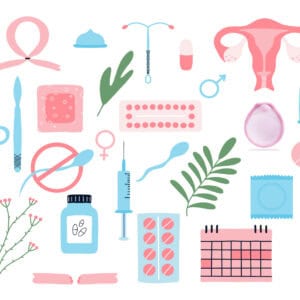
Popular Birth Control Options to Consider
Let’s look at some of the methods women are choosing in 2026, including both hormonal and non-hormonal options:
Hormonal Methods
Birth control pills remain popular because they’re familiar, reversible, and can help with period regulation. However, they require daily commitment and can come with side effects like headaches, nausea, or mood changes.
IUDs (hormonal) like Mirena or Kyleena offer long-term protection (3-8 years) without daily effort. They’re highly effective but involve an insertion procedure and can cause irregular bleeding initially.
The patch and ring provide hormonal contraception without daily pills. You change the patch weekly or the ring monthly, making them easier to remember than daily pills.
Non-Hormonal Methods
Copper IUD is hormone-free and lasts up to 10 years. It’s extremely effective but can make periods heavier and more painful for some women.
Barrier methods like condoms are hormone-free, protect against STIs, and have no side effects. They require use at the moment, which some find less convenient.
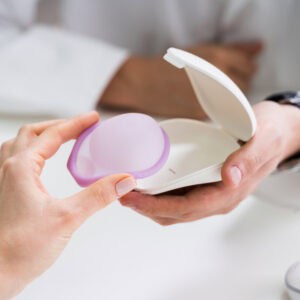
The diaphragm has gotten a major upgrade in recent years. Modern versions like Caya are contoured to fit most women, easy to use, and 100% hormone-free. Unlike old-school diaphragms that needed professional fitting, today’s contoured diaphragms are designed to work for most women right out of the package.
Why Women Are Choosing Hormone-Free Birth Control in 2026
There’s been a notable shift toward hormone-free contraception, and it’s not hard to understand why. Many women are prioritizing options that don’t alter their body’s natural hormones.
The environmental impact is another consideration—reusable methods like diaphragms create significantly less waste than disposable options or packaging from monthly prescriptions.
Cost matters too. When you break down the numbers, methods that last for years (like a diaphragm that’s good for up to two years) can be much more affordable than monthly prescriptions or co-pays.
And let’s talk about control. With barrier methods like Caya, you decide when to use birth control. You’re not putting hormones in your body every day, whether you’re having sex or not. You use it when you need it, and that’s it.
Making the Switch: How to Change Birth Control Methods Safely
Ready to make a change? Here’s how to switch safely and smoothly:
Schedule a conversation with your healthcare provider. Even if you think you know what you want, it’s smart to discuss your options with a professional who knows your health history. They can help you consider factors you might not have thought about.
Understand the timing. Some methods require you to wait for your next period to start, while others you can begin right away. Your provider will guide you on proper timing to avoid any gaps in protection.
Give your new method a fair trial. Most experts recommend trying a new birth control method for at least three months unless you’re experiencing severe side effects. Your body needs time to adjust.
Don’t leave gaps. If you’re switching from one method to another, make sure you have your new method ready before stopping your old one. Use backup protection (like condoms) during the transition if recommended.
Keep track of how you feel. Note any changes—good or bad—in your body, mood, or cycle. This information will help you and your provider determine if your new method is working well for you.
Why Caya Might Be Your Perfect Fresh Start
If you’re looking for something different in 2026, consider what makes Caya’s contoured diaphragm stand out:
Zero hormones, zero daily routine. You’re not putting synthetic hormones in your body or taking a daily pill. You use Caya only when you need it—before sex.
Woman-controlled protection. You’re in charge. Insert it before sex (you can even put it in hours ahead of time), and remove it at least six hours after. No appointments, no prescriptions to refill monthly, no waiting for your body to adjust to hormones.
Built for real life. Caya fits easily in a purse or travel bag, making it perfect for active lifestyles. Whether you’re traveling, have an unpredictable schedule, or just want birth control that adapts to your life, Caya works with you.
Cost-effective choice. Caya lasts up to two years with proper care. That’s two years of hormone-free birth control without monthly prescription costs or co-pays.
Easy to use. About 80% of women can insert Caya correctly just by reading the instructions. If you’ve used menstrual cups, the process will feel familiar. And if you need guidance, your healthcare provider can show you proper insertion technique.
Your Fresh Start Checklist for 2026
As you think about making a change, here’s a simple checklist to work through:
□ Identify what’s not working about your current method
□ Make a list of what matters most to you (hormone-free? convenient? cost?)
□ Research 2-3 options that align with your priorities
□ Schedule an appointment with your healthcare provider
□ Ask specific questions about switching timing and what to expect
□ Order or obtain your new method before stopping your old one
□ Set a reminder to check in with yourself after 3 months
Choosing Birth Control That Works for You
Here’s something important to remember: There’s no such thing as the “best” birth control method—only the best method for you, right now, in this phase of your life. What worked great in college might not fit your needs now. What your sister loves might not be right for you. And that’s completely okay.
Changing birth control methods is a positive step toward taking charge of your reproductive health. It means you’re paying attention to your body, advocating for yourself, and refusing to settle for something that doesn’t feel right.
As you plan your fresh start for 2026, consider whether your birth control is serving you well. If it’s not, you have options. Whether you choose hormonal or hormone-free, daily or on-demand, what matters most is finding something that fits your body, your lifestyle, and your values.
Ready to explore a hormone-free option for the new year? Learn more about how Caya works and whether it might be the fresh start you’re looking for. You can also read about why women are choosing hormone-free birth control and how Caya compares to other methods.
Here’s to a 2026 where your birth control works for you, not against you.
The information included in this blog post is accurate as of publication. For the most current details about Caya, or if you have specific questions about your contraception options, please visit our FAQ at Caya.US.com or consult with your healthcare provider.