The Caya Blog

Let's talk about women’s reproductive health.

Tagged: women’s health

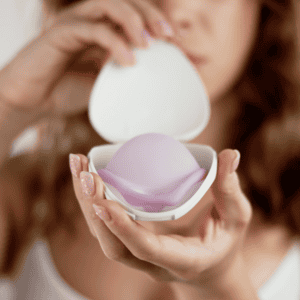
March is Women's History Month. A time to honor the women who fought for the right to vote, to work, to own property — and yes, to control their own bodies. One of the most powerful ways a woman can exercise that control today? Choosing how, when, and whether to prevent pregnancy. Woman-controlled birth control isn't a new idea. But it's one that's more important — and more relevant — than ever. What Does "Woman-Controlled" Actually Mean? It means exactly what it sounds like. Birth control that you use on your own terms. You decide when to use it. You decide when to stop. No one else is involved in the decision, and your body isn't managing a continuous dose of hormones whether you want it to or not. Hormonal methods like the pill, the patch, the ring, and hormonal IUDs are effective — but they work by altering your body's chemistry around the clock. For a lot of women, that's perfectly fine. For others, it's not what they want. Maybe they're bothered by side effects. Maybe they're breastfeeding, or managing a health condition. Maybe they just want to feel more in sync with their natural cycle. Whatever the reason, wanting more control over your own body is completely valid. A Little History Worth Knowing Women have been seeking control over their reproductive lives for a very, very long time. The first oral contraceptive pill was approved in the U.S. in 1960 — and it was a revolution. For the first time, women had a reliable, daily method that didn't depend on their partner or a doctor's office visit every time. But the story didn't stop there. Women kept asking for more options. Fewer side effects. Methods that worked with the body, not around it. Devices that gave them the power, not a prescription they had to remember every morning. That push — from women, for women — is exactly what led to the development of the modern Caya diaphragm. Starting in the 1990s, researchers at PATH sat down with women around the world and asked a simple question: what do you actually want in a birth control method? The answers shaped every feature of Caya — the contoured fit, the grip dimples, the removal dome, the one-size-fits-most design. Women didn't just inspire Caya. They built it. Why Woman-Controlled Birth Control Still Matters Today We've come a long way. And yet, reproductive autonomy is still a live conversation — in clinics, in courts, in living rooms. Women are paying attention to what options they have, and more of them are asking: is there a method that keeps me in the driver's seat? The Guttmacher Institute reports that four out of five women who have had sex have used the pill at some point. That's a remarkable number. And yet, more women than ever are actively looking for something different. Searches for hormone-free birth control have grown steadily year over year. Manufacturers, researchers, and healthcare providers are all responding to the same signal: women want options that don't come with a side of synthetic hormones. Side effects. Daily schedules. Wanting something that works with their body rather than around it. The reasons are as varied as the women themselves. And that's exactly why having more options — especially woman-controlled ones — matters. What Makes Caya a Woman-Controlled Option? Caya is a contoured diaphragm — a soft, flexible silicone cup that you insert before sex and remove afterward. It covers the cervix and acts as a physical barrier. No hormones. No daily schedule. No ongoing prescription refills. Here's what that means in practice: You use it when you need it. Heading out for a date? Going on a trip? You decide when Caya comes along. No reminder alarms. No skipped doses to worry about. Your body stays your body. Caya doesn't change your hormones, your cycle, or your mood. When you want to stop using it — even if that's because you're ready to get pregnant — you just stop. No waiting period. No transition period. You're not dependent on anyone else. Caya is something you control, carry, and use on your own terms. It fits in its small clamshell case and slips into a purse or bag without anyone knowing it's there. (Speaking of which — if you travel often, our blog on travel-friendly birth control is worth a read.) It's reusable. One Caya diaphragm is good for up to two years with proper care. That's a long stretch of birth control that belongs entirely to you. But What About Effectiveness? Fair question — and one worth answering clearly. Caya, used correctly and consistently with a water-based spermicidal gel, has a typical use effectiveness rate of 83%. That's similar to other barrier methods, and it improves with experience and proper insertion. For many women, pairing Caya with some basic knowledge of their cycle makes it even more effective. If you want to dig into that topic, our blog on body literacy and contraception breaks it down in plain language. Caya isn't for every woman in every situation — no single method is. But for women who want a hormone-free, on-demand option they fully control, it checks a lot of boxes. The Bigger Picture Choosing your birth control isn't just a medical decision. It's a personal one. It's wrapped up in how you feel about your body, your health, your relationships, and your future. And when you have a method that actually fits your life and your values, it makes a difference. Women's History Month is a good reminder that reproductive choice has always been worth fighting for — and worth protecting. The women who came before us made sure we have options. The best thing we can do is actually use them. Ready to Explore Caya? Getting Caya is easier than you might think. You don't need a pelvic exam or a fitting. You can get a prescription through your provider or via telehealth from home. Visit our Get Caya page to find the best option for you, or check our FAQ if you have questions first. Birth control on your terms. That's what Caya is for. The information included in this blog post is accurate as of publication. For the most current details about Caya, or if you have specific questions about your contraception options, please visit our FAQ at Caya.US.com or consult with your healthcare provider.

Woman-Controlled Birth Control: Why Your Choice Matters More Than Ever

March is Women’s History Month. A time to honor the women who fought for the right to vote, to work, to own property — and yes, to control their own bodies. One of the most powerful ways a woman can exercise that control today? Choosing how, when, and whether to prevent pregnancy. Woman-controlled birth control isn’t a new idea. But […]

Read More… from Woman-Controlled Birth Control: Why Your Choice Matters More Than Ever

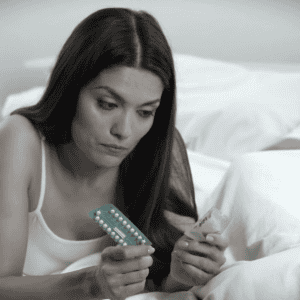
Woman on bed examining birth control pills and condom while her boyfriend is asleep. Contemplating contraception options.

5 Signs To Know When to Switch Birth Control

Choosing birth control is personal. What worked perfectly last year might not fit your life anymore. And that’s completely normal. Your body changes, your goals shift, and your needs evolve. The question isn’t whether your birth control will always be right for you—it’s knowing when to switch birth control to something that works better. If you’ve been wondering lately whether […]

Read More… from 5 Signs To Know When to Switch Birth Control

Young Asian woman cheerful blowing confetti on banner isolated purple studio background. Asian female happy in orange sweater.

New Year, New Approach: Reconsidering Your Birth Control Method in 2026

As you celebrate and make plans for fresh starts in 2026, there’s one area of your life that might be ready for a change: your birth control. Whether it’s annoying side effects, daily hassles, or perhaps this year you want to have a baby—the new year is the perfect time to explore your contraception options. Changing birth control methods doesn’t […]

Read More… from New Year, New Approach: Reconsidering Your Birth Control Method in 2026

Woman in bathtub healthcare self-care with purple bathbomb and candles.

Making Reproductive Health Self-Care Part of Your Seasonal Wellness Routine

When you think about self-care, what comes to mind? Maybe it’s bubble baths, face masks, or that daily walk you swear you’ll start taking. But here’s something that often gets left out of the conversation: reproductive health self-care. Your reproductive health deserves the same attention you give to the rest of your wellness routine. And the good news? Taking care […]

Read More… from Making Reproductive Health Self-Care Part of Your Seasonal Wellness Routine

Profile of a relaxed woman breathing fresh air in a pink field of peach trees. Mental health and contraception options.

Birth Control and Mental Health: Your Choice for Emotional Wellbeing

Have you ever wondered if your birth control might be affecting your mood? You’re not alone, honey. The conversation around birth control and mental health has grown louder in recent years, and for good reason. More women are asking important questions about how their contraception choices impact not just their bodies, but their emotional well-being too. Here’s the thing: every […]

Read More… from Birth Control and Mental Health: Your Choice for Emotional Wellbeing